
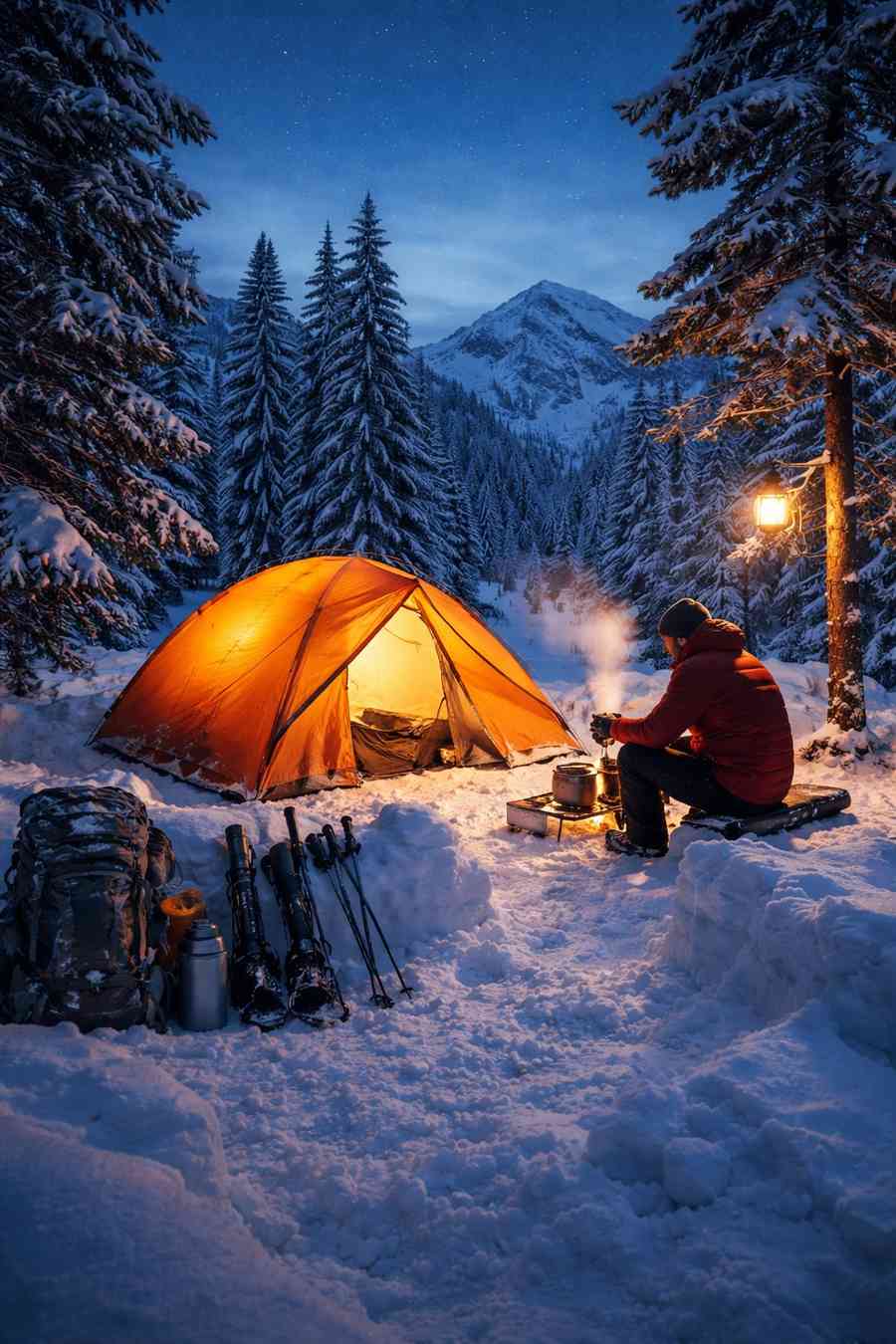
The Complete Winter Camping Guide: Gear, Safety, Systems, and Survival in Cold Weather
Winter camping is not simply summer camping in lower temperatures. It is a completely different discipline that demands preparation, physical awareness, and deliberate planning. Snow changes terrain. Wind increases exposure. Moisture becomes dangerous. Daylight hours shrink. Even small mistakes can compound over time.
At the same time, winter camping offers something few other outdoor experiences provide. It delivers silence, solitude, clarity, and a powerful sense of accomplishment. When approached correctly, cold weather camping becomes one of the most rewarding forms of outdoor travel.
This complete guide explains how to build a safe and reliable winter camping system. It covers heat loss, clothing strategy, insulated sleeping pads, shelter selection, winter camping gear, fire preparedness, hydration, nutrition, and hypothermia prevention. It is designed to function as a cornerstone resource for anyone building long-term confidence in snow camping and winter hiking.
Understanding Cold: The Foundation of Winter Camping
Before choosing gear or planning a trip, it is critical to understand how the body loses heat in winter conditions.
Cold exposure is cumulative. The body continuously produces warmth, but that warmth escapes through conduction, convection, radiation, and evaporation.
Heat is lost through conduction when your body touches cold surfaces such as snow or frozen ground. This is why ground insulation is essential during winter camping trips. Even if the air temperature feels manageable, direct contact with frozen ground drains body heat steadily.
Heat is lost through convection when wind removes the warm air layer surrounding your body. Wind chill can significantly increase heat loss even when temperatures are not extreme.
Heat is lost through radiation because the body naturally emits warmth into the environment. Insulation slows this process.
Heat is lost through evaporation when sweat cools the skin as it dries. This is often the most underestimated source of heat loss during winter hiking and camp setup.
Understanding these processes allows you to build systems that reduce heat loss instead of reacting after discomfort sets in.
Building a Reliable Winter Clothing System
Clothing is your first line of defence during cold weather camping. A well-designed layering system allows you to adapt to activity levels and changing weather.
Base Layers: Moisture Control
The base layer should wick moisture away from your skin. Merino wool or synthetic fabrics work well because they regulate temperature and reduce dampness. Cotton should never be worn during winter camping because it absorbs moisture and accelerates heat loss.
Your base layer should fit comfortably without restricting circulation.
Mid Layers: Insulation
Mid layers trap body heat. Fleece jackets, synthetic insulated layers, and down jackets are common options. Down offers excellent warmth-to-weight performance but must remain dry.
The key to effective mid layering is adjustability. You should remove insulation before you begin to sweat. Excess moisture becomes a liability once activity slows.
Outer Layer: Wind and Snow Protection
The outer layer protects against wind and snow exposure. Wind resistance significantly improves comfort during winter camping trips. Breathability remains important because trapped moisture increases condensation.
Extremities: Hands, Feet, and Head
Heat loss from extremities is substantial. Insulated gloves, spare glove liners, wool socks, and a warm hat are essential components of winter camping safety. Circulation must never be restricted by overly tight layers.
Layering must remain dynamic. You should adjust clothing before overheating and add insulation during rest periods.
The Winter Camping Sleep System
Sleep is where warmth is won or lost. A strong sleep system determines whether winter camping feels restorative or exhausting.
Why Insulated Sleeping Pads Matter Most
Many new winter campers focus primarily on sleeping bag ratings, but ground insulation is often more important. Cold ground continuously draws heat away through conduction.
Insulated sleeping pads create a thermal barrier between your body and frozen surfaces. Many experienced campers combine a closed-cell foam pad with an inflatable insulated pad for added warmth and redundancy.
If you are unsure which insulation level you need, this detailed comparison of winter-ready options breaks it down clearly:
https://campingzilla.com/best-insulated-sleeping-pads-for-winter/
Upgrading your insulated sleeping pads is often the most effective way to improve overnight warmth.
Choosing a Winter Sleeping Bag
A winter-rated sleeping bag should match realistic temperature expectations. Synthetic insulation performs better in damp conditions, while down provides exceptional warmth in dry cold environments.
Avoid wearing excessive layers inside your sleeping bag, as this can compress insulation and reduce effectiveness.
Managing Condensation
Condensation forms easily inside winter tents. Proper ventilation reduces moisture buildup. Keeping damp clothing out of the sleeping area preserves warmth and dryness.
Campsite Selection and Setup
The location of your campsite influences wind exposure, warmth, and safety.
Wind protection should be a priority. Natural windbreaks such as tree lines reduce convective heat loss. Exposed ridgelines increase risk.
Snow should be packed down before pitching a tent to create a stable base. Setting up camp earlier in the day reduces rushed decisions in dropping temperatures.
A thoughtful winter camping setup conserves energy and reduces unnecessary exposure.
Nutrition and Hydration in Cold Weather
Cold environments increase metabolic demand. Your body burns additional calories to maintain core temperature.
Skipping meals during winter camping increases fatigue and reduces heat production. High-calorie foods rich in fats and carbohydrates provide sustained warmth. Eating before bed helps maintain overnight heat.
Hydration remains critical even when thirst is suppressed. Dehydration reduces circulation efficiency and increases hypothermia risk. Water bottles should be insulated and stored upside down to prevent freezing at the lid.
Warm drinks support hydration and morale during snow camping.
Managing Sweat During Winter Hiking
Many winter camping problems begin during movement.
Overdressing during winter hiking leads to excessive sweating. When activity slows, damp clothing cools rapidly and increases heat loss.
You should regulate your pace and remove layers before overheating. Add insulation immediately during rest breaks. Change into dry clothing before sleeping whenever possible.
Moisture control is one of the most important cold weather camping skills.
Lighting Systems for Long Winter Nights
Winter brings extended darkness. Reliable lighting supports safe camp routines.
A headlamp provides hands-free movement for cooking, shelter adjustment, and nighttime tasks. Rechargeable headlamps are convenient but should be managed carefully because batteries drain faster in cold temperatures.
For practical comparisons of rechargeable headlamps suited to outdoor use, this guide breaks down solid options:
https://campingzilla.com/best-rechargeable-headlamps-for-night-hikes/
Area lighting also improves camp efficiency. Solar lanterns can provide ambient light for cooking and organising gear around basecamp.
You can compare solar lantern options here:
https://campingzilla.com/best-solar-powered-camping-lanterns/
Lighting should be treated as part of your safety system, not as an afterthought.
Stove Selection and Cold Performance
Cooking supports warmth and morale during winter camping. However, cold temperatures affect stove performance.
Standard canister stoves can lose pressure in freezing conditions. Liquid fuel stoves often perform better in extreme cold. Regardless of system, redundancy remains important.
Hot meals and warm drinks help maintain energy levels and body heat.
Fire Safety and Emergency Redundancy
Although fires are not always necessary, reliable fire-starting capability is a valuable backup system.
Wind and snow complicate ignition. Carrying multiple ignition methods improves reliability. Waterproof matches and ferro rods provide dependable redundancy.
If you want a simple emergency-focused backup system, these firestarter kits are worth reviewing:
https://campingzilla.com/best-firestarter-kits-for-emergencies/
Redundancy also includes spare gloves, backup lighting, emergency insulation, and communication devices.
Recognising and Preventing Hypothermia
Hypothermia develops gradually when heat loss exceeds heat production.
Early signs include persistent shivering, slowed thinking, fatigue, and reduced coordination. These signs should never be ignored.
Prevention requires proper layering, calorie intake, hydration, wind protection, and early response.
If symptoms appear, you should stop activity, add insulation, consume warm fluids, and seek shelter.
For a deeper breakdown of common winter mistakes that increase hypothermia risk, this guide explains them clearly:
https://campingzilla.com/winter-camping-mistakes-that-can-cause-hypothermia-and-how-to-avoid-them/
Snow Shelter and Wind Management
Four-season tents are designed to handle snow load and wind. They use stronger poles and reduced mesh panels.
Building small snow walls on the wind-facing side of your tent can reduce exposure. However, ventilation must remain adequate to prevent condensation buildup.
More advanced snow shelters such as quinzhees require experience and proper ventilation planning.
Solo Winter Camping Considerations
Solo winter camping requires conservative planning. Without partners to monitor early signs of fatigue or hypothermia, safety margins must increase.
Shorter routes, clear trip plans, and redundant gear reduce risk.
Terrain Awareness
Winter terrain behaves differently from summer terrain. Slopes that appear manageable in warm seasons may carry additional risk in winter.
Beginners should avoid steep slopes and exposed avalanche terrain unless properly trained. Conservative route selection is an important winter camping skill.
Building Safety Margins Into Every Trip
Winter camping becomes safer when you assume small failures may occur and plan accordingly.
Safety margins include:
- Extra gloves
- Spare lighting
- Redundant insulation
- Backup fire-starting tools
- Clear turnaround times
These habits prevent small problems from escalating.
A Complete Winter Camping System Checklist
A reliable winter camping setup includes insulated sleeping pads, a cold-rated sleeping bag, layered clothing, a durable shelter, a reliable stove, emergency fire-starting tools, dependable lighting, high-calorie food, insulated water bottles, and emergency supplies.
Each component supports heat retention, energy maintenance, and safety.
Final Thoughts: Winter Camping Done Right
Winter camping is not about enduring extreme discomfort. It is about understanding how cold affects the body and equipment, and responding thoughtfully.
When you prioritise ground insulation, moisture management, calorie intake, hydration, wind protection, and reliable winter camping gear, snow camping becomes predictable and manageable.
Cold weather camping rewards discipline, preparation, and routine. With the right systems in place, winter landscapes become accessible, peaceful, and deeply satisfying.
For further gear comparisons and detailed breakdowns, you can explore:
Insulated sleeping pads:
https://campingzilla.com/best-insulated-sleeping-pads-for-winter/
Emergency firestarter kits:
https://campingzilla.com/best-firestarter-kits-for-emergencies/
Rechargeable headlamps:
https://campingzilla.com/best-rechargeable-headlamps-for-night-hikes/
Solar camping lanterns:
https://campingzilla.com/best-solar-powered-camping-lanterns/
And winter safety advice:
https://campingzilla.com/winter-camping-mistakes-that-can-cause-hypothermia-and-how-to-avoid-them/

