
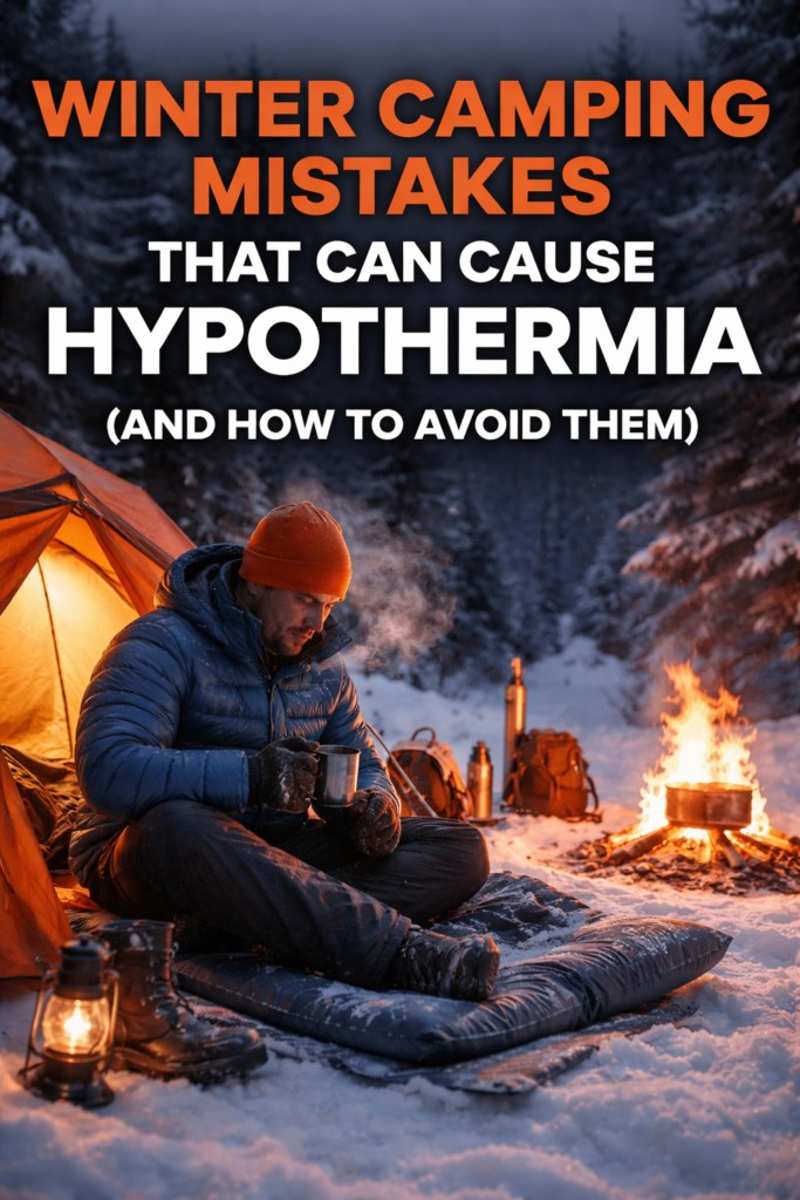
Winter Camping Mistakes That Can Cause Hypothermia (And How to Avoid Them)
Winter camping offers a unique outdoor experience that is quieter, more challenging, and often more rewarding than camping in warmer seasons. Snow-covered landscapes, crisp air, and empty campsites attract campers who enjoy solitude and self-reliance. However, winter camping also introduces serious risks that do not exist during summer trips, and hypothermia is one of the most dangerous.
Hypothermia does not usually happen because of extreme storms or dramatic accidents. In most cases, it develops slowly due to common winter camping mistakes that campers underestimate or fail to recognise early. These mistakes often involve clothing choices, moisture management, inadequate insulation, fatigue, or poor planning.
Understanding how hypothermia develops and learning how to avoid the mistakes that cause it is essential for anyone interested in cold weather camping, snow camping, or winter hiking.
What Hypothermia Is and Why Winter Campers Are at Risk
Hypothermia occurs when the body loses heat faster than it can produce it, causing the core temperature to fall below safe levels. In cold environments, this heat loss can happen even when temperatures do not feel extreme.
Winter campers are especially vulnerable because cold exposure is often prolonged. Heat loss continues throughout the day and night due to wind, contact with frozen ground, damp clothing, and reduced calorie intake. Fatigue and dehydration further increase the risk.
Early hypothermia symptoms can include constant shivering, reduced coordination, confusion, and fatigue. Because these symptoms often feel mild at first, they are frequently ignored, which allows the condition to worsen.
Preventing hypothermia depends on preparation, awareness, and smart winter camping setup decisions, rather than physical toughness.
1. Underestimating Heat Loss From the Ground
One of the most common winter camping mistakes is focusing on air temperature while ignoring the ground. Frozen soil, snow, and ice conduct heat extremely efficiently and draw warmth away from the body continuously.
Many campers rely on sleeping bags alone for warmth, not realising that compressed insulation underneath the body provides little protection. Without proper ground insulation, body heat is lost throughout the night, even when using a high-quality sleeping bag.
To avoid this mistake, winter campers should use insulated sleeping pads designed specifically for cold conditions. Pads with appropriate R-values create a thermal barrier between the body and the ground. Layering a foam pad beneath an inflatable pad can further reduce heat loss and improve winter camping safety.
2. Wearing the Wrong Clothing for Cold Weather Camping
Clothing plays a critical role in regulating body temperature during cold weather camping. A common mistake is wearing cotton or poorly layered clothing that traps moisture and loses insulation when wet.
Cotton absorbs sweat and snowmelt, which accelerates heat loss. Over-insulating can also be dangerous if it leads to excessive sweating during activity.
Campers should wear a proper layering system that includes moisture-wicking base layers, insulating mid-layers, and weather-resistant outer layers. Adjusting layers throughout the day helps maintain a stable body temperature and reduces the risk of hypothermia.
3. Sweating During Activity and Failing to Manage Moisture
Sweating is one of the fastest ways to lose heat in winter conditions. During activities like winter hiking or camp setup, many campers overdress and generate excess heat. When activity stops, damp clothing cools rapidly.
This cycle of overheating followed by chilling is one of the most common causes of hypothermia during winter trips.
To avoid this, campers should regulate their pace, vent clothing when necessary, and remove layers before sweating becomes excessive. Adding insulation immediately during rest breaks helps prevent sudden heat loss.
4. Ignoring Wind Chill and Exposure
Wind dramatically increases heat loss by stripping away the warm air trapped near the body. Even moderate temperatures can become dangerous when combined with strong wind.
Many winter campers underestimate how exposed campsites, ridgelines, and frozen lakes can be after sunset. Wind chill can reduce perceived temperatures by several degrees, increasing hypothermia risk.
Choosing sheltered campsites, wearing wind-resistant outer layers, and setting up tents with wind direction in mind are essential winter camping safety practices.
5. Failing to Eat Enough Calories
Cold environments increase the body’s energy demands. The body burns more calories to maintain core temperature, even when resting. Campers who do not eat enough struggle to stay warm.
Appetite often decreases in cold conditions, and cooking can feel inconvenient. However, inadequate calorie intake significantly increases hypothermia risk.
Winter campers should prioritise regular meals and calorie-dense snacks. Foods high in fats and carbohydrates provide sustained energy and help maintain body heat. Eating before bedtime is especially important for overnight warmth.
6. Becoming Dehydrated in Cold Conditions
Dehydration is a common but overlooked issue during snow camping and winter trips. Cold temperatures suppress thirst, but fluid loss still occurs through breathing, sweating, and physical exertion.
Dehydration reduces circulation efficiency, making it harder for the body to distribute heat. This increases the risk of hypothermia, even when clothing and insulation are adequate.
Campers should drink fluids consistently throughout the day and prevent water from freezing by using insulated bottles. Warm drinks can also help support hydration and morale during cold weather camping.
7. Setting Up Camp Too Late in the Day
Delaying camp setup is another mistake that increases exposure and fatigue. As daylight fades and temperatures drop, fine motor skills decrease, making tasks slower and more difficult.
Late camp setup often leads to prolonged cold exposure, rushed decisions, and damp clothing. These factors combine to increase hypothermia risk.
Winter campers should aim to set up shelter earlier than they would in warmer seasons. Establishing camp before darkness allows time to change into dry layers and prepare for the night safely.
8. Relying on Untested or Inadequate Winter Camping Gear
Using new or untested winter camping gear can create false confidence. Equipment that works well in autumn conditions may fail in freezing temperatures.
Sleeping pads, jackets, stoves, and tents all behave differently in cold weather. Relying on gear without understanding its limitations can lead to dangerous situations.
Campers should test winter gear on shorter trips before committing to longer expeditions. Familiarity with equipment improves efficiency and reduces mistakes during cold and stressful conditions.
9. Ignoring Early Signs of Hypothermia
Hypothermia rarely begins suddenly. Early symptoms often include constant shivering, clumsiness, fatigue, and difficulty concentrating. These signs are frequently dismissed as normal discomfort.
Ignoring early symptoms allows hypothermia to progress into more dangerous stages. Prompt action is essential.
At the first signs of excessive cold stress, campers should stop activity, add insulation, consume calories, hydrate, and seek shelter. Early intervention is one of the most effective outdoor survival skills in winter environments.
10. Failing to Build Safety Margins Into Winter Camping Trips
Winter camping leaves less room for error than camping in warmer seasons. Equipment failures, weather changes, or delays that would be manageable in summer can become serious problems in winter.
Failing to carry extra insulation, backup lighting, or emergency supplies reduces safety margins. This is especially risky for solo campers or those new to winter conditions.
Building redundancy into a winter camping setup improves resilience and reduces reliance on perfect conditions. Conservative planning is one of the most reliable ways to prevent hypothermia.
Final Thoughts on Hypothermia Prevention in Winter Camping
Hypothermia is rarely caused by a single mistake. It develops when multiple small issues combine over time, including inadequate insulation, moisture buildup, poor nutrition, dehydration, fatigue, and exposure to wind.
By understanding these common winter camping mistakes and preparing accordingly, campers can significantly reduce their risk. Proper clothing, tested winter camping gear, adequate calorie intake, and early recognition of symptoms form the foundation of safe and enjoyable winter camping trips.
For campers interested in improving their cold-weather skills, learning how heat is lost and how to prevent it is far more valuable than relying on toughness or experience alone.
For more in-depth guidance on insulated sleeping pads, winter camping safety, cold weather camping, and outdoor survival, explore the winter resources available on CampingZilla.
https://campingzilla.com/camping-routines-that-make-trips-easier

