
Practical Camping Advice That Makes Outdoor Trips Easier
Practical Camping Advice That Makes Outdoor Trips Easier
Camping is one of the best ways to disconnect from everyday routines and spend time outdoors. Whether you are heading to a family campsite for the weekend, planning a solo adventure, or exploring remote areas with friends, camping offers an opportunity to slow down, enjoy nature, and create memorable experiences.
However, many camping trips become unnecessarily difficult because of small mistakes that could have been avoided with better preparation. While expensive gear can certainly improve comfort, successful camping usually comes down to planning, organisation, and practical habits rather than simply owning the latest equipment.
The good news is that most camping problems are preventable. By understanding a few key principles and making small adjustments to how you prepare and camp, you can make every outdoor trip safer, more comfortable, and more enjoyable.
This guide shares practical camping advice that applies to beginners and experienced campers alike, helping you avoid common mistakes and build habits that make outdoor adventures easier.
Plan for Conditions, Not Just the Forecast
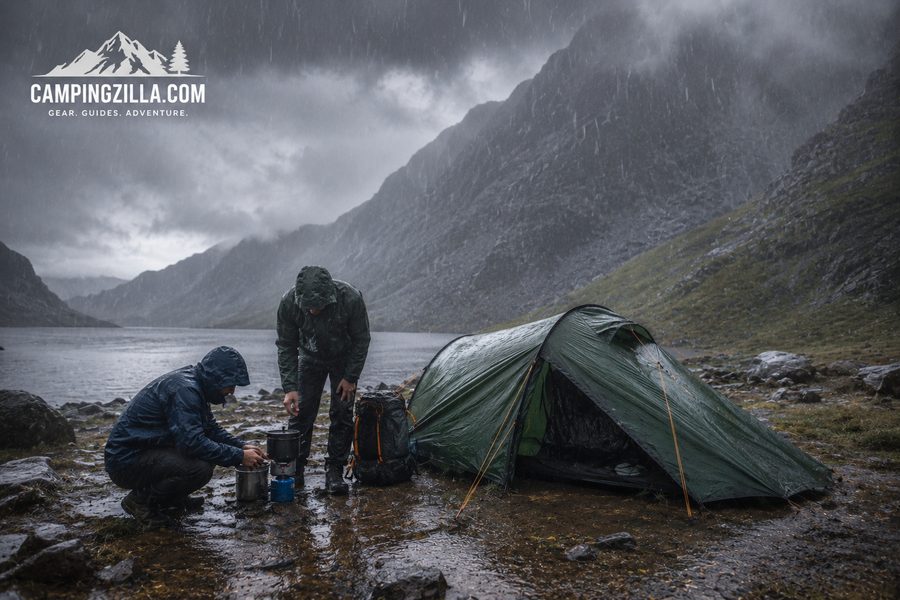
One of the biggest mistakes campers make is preparing only for the weather they expect rather than the weather they might encounter.
Weather forecasts are useful, but they are not perfect. Conditions can change quickly, particularly in coastal areas, mountainous regions, and open countryside. A forecast showing mild temperatures during the day may not reflect how cold conditions feel after sunset.
Instead of packing only for ideal weather, prepare for a range of possibilities. Bringing an additional insulating layer, waterproof clothing, and spare dry socks adds very little weight but can make a huge difference if conditions deteriorate.
Wind is another factor many campers underestimate. A breezy afternoon can turn into a cold evening very quickly, particularly when temperatures begin to drop. Being prepared for changing conditions allows you to remain comfortable and enjoy your trip rather than reacting to unexpected weather.
Experienced campers rarely regret bringing an extra layer, but many regret leaving one behind.
Arrive Earlier Than You Think You Need To
A surprisingly simple way to improve almost any camping trip is to arrive at your campsite earlier.
Many people underestimate how long it takes to unload equipment, choose the best pitch, set up shelter, organise gear, and prepare food. When daylight starts disappearing, everything becomes more difficult.
Arriving early provides flexibility. It allows you to inspect the area properly, identify any potential issues with drainage or wind exposure, and settle in before temperatures begin to fall.
An early arrival also creates a more relaxed atmosphere. Instead of rushing to pitch a tent before dark, you can take your time, organise your campsite properly, and enjoy the surroundings.
Good camping experiences often begin with a calm and organised setup.
Choose Your Campsite Carefully
The exact location of your campsite can significantly affect comfort throughout your trip.
Level ground should always be a priority. Even a slight slope can become surprisingly uncomfortable during the night. Water drainage should also be considered. Low areas can collect water during rain and become muddy very quickly.
Natural shelter is another important consideration. Trees, bushes, and landscape features can provide protection from wind and improve comfort during poor weather.
At the same time, avoid camping directly beneath dead branches or unstable trees. Safety should always come before convenience.
Spending a few extra minutes selecting a good campsite often prevents hours of discomfort later.
Build a Better Camp Routine
Many experienced campers rely on simple routines that reduce stress and improve efficiency.
A good camp routine begins with organisation. Frequently used items should always be easy to find. Headlamps, water bottles, cooking equipment, and weather layers should have dedicated locations.
Refilling water bottles before bed, organising breakfast supplies in advance, and preparing clothing for the following morning are small habits that make camping easier.
Routines are particularly valuable when weather conditions are poor. Having a system reduces decision-making and helps you remain organised when conditions become challenging.
Camping does not need to be complicated. Consistent habits make a significant difference.
Keep Your Sleeping Area Dry
Sleep quality is one of the most important factors affecting the overall success of a camping trip.
Unfortunately, it is also one of the most commonly overlooked areas.
Moisture is often the biggest enemy of a comfortable night outdoors. Damp clothing, condensation, wet footwear, or a poorly ventilated shelter can all reduce comfort and warmth.
A simple rule is to keep sleeping equipment as dry as possible. Change out of damp clothing before bed and store spare clothing in waterproof bags.
Keeping sleeping bags away from tent walls can also reduce moisture transfer from condensation.
Dry gear performs better, feels warmer, and contributes to more restful sleep.
Understand Why Ground Insulation Matters
Many campers focus entirely on sleeping bags while overlooking what lies beneath them.
The ground continuously absorbs heat from the body. This heat loss occurs even when temperatures feel relatively mild.
Ground insulation helps reduce this heat transfer and improves both comfort and warmth. A quality sleeping pad often provides a greater improvement in sleep quality than upgrading a sleeping bag.
Campers who regularly camp in cooler conditions should pay particular attention to their sleeping system.
Good sleep improves energy levels, mood, and overall enjoyment of a camping trip.
Stay Organised Around Camp
Disorganisation creates unnecessary frustration.
Searching for cooking equipment after dark, losing track of small items, or digging through bags for basic necessities wastes time and energy.
Simple organisation strategies can help avoid these issues.
Separate bags for cooking equipment, clothing, and sleeping gear make locating items easier. Emergency supplies should always remain accessible.
Keeping a clean campsite also improves safety and reduces the likelihood of losing important equipment.
An organised campsite creates a more relaxed and enjoyable environment.
Always Have Reliable Lighting
Lighting becomes increasingly important as daylight hours shorten.
Many camping tasks become more difficult after dark, including cooking, organising gear, and navigating around camp.
A dependable headlamp is often one of the most useful pieces of camping equipment because it allows hands-free movement.
Lanterns can also improve campsite comfort by providing ambient light for cooking and socialising.
Reliable lighting contributes to both safety and convenience.
Learn Basic Fire Skills
While many campsites provide facilities and restrictions vary by location, understanding how to safely start and manage a fire remains a valuable outdoor skill.
Fire can provide warmth, assist with cooking, and improve morale during challenging conditions.
However, fire should never be relied upon as the sole source of warmth or emergency preparation.
Carrying multiple fire-starting methods improves reliability. Waterproof matches, lighters, and ferro rods provide useful redundancy.
Understanding local regulations and practising responsible fire safety is essential.
Eat and Drink Consistently
Camping often involves more physical activity than people realise.
Walking, carrying equipment, collecting water, and setting up camp all require energy.
Waiting until you feel exhausted before eating usually leads to lower energy levels and poorer decision-making.
Regular meals and snacks help maintain consistent energy throughout the day.
Hydration is equally important. Many campers underestimate how much water they consume during outdoor activities.
Consistent hydration supports physical performance, concentration, and overall wellbeing.
Adapt to Changing Conditions
One of the most valuable camping skills is adaptability.
No matter how carefully you plan, unexpected situations will arise. Weather changes, equipment occasionally fails, and plans sometimes need adjustment.
The ability to remain calm and adapt effectively often determines whether a setback becomes a minor inconvenience or a major problem.
Experienced campers understand that flexibility is part of outdoor life.
Rather than expecting everything to go perfectly, prepare for small challenges and respond calmly when they occur.
Learn Something From Every Trip
Every camping trip provides an opportunity to improve.
After returning home, take a few moments to reflect on what worked well and what could be improved.
Consider whether you packed unnecessary items, forgot important equipment, or discovered ways to improve camp organisation.
Keeping notes after trips can help identify patterns and refine your camping system over time.
The best campers continue learning regardless of experience level.
Common Camping Mistakes to Avoid
Many camping difficulties result from a handful of common mistakes.
Arriving too late, failing to check weather forecasts, wearing unsuitable clothing, neglecting hydration, and underestimating the importance of sleep systems are all frequent issues.
Fortunately, these mistakes are easy to avoid with preparation and awareness.
Understanding common problems before they occur helps create smoother and more enjoyable camping experiences.
Why Camping Is About Systems, Not Gear
Many people assume successful camping depends on owning the most expensive equipment.
In reality, successful camping is usually about systems.
A reliable camping system includes preparation, organisation, weather awareness, camp routines, sleep quality, hydration, nutrition, and appropriate equipment.
Even basic gear can perform extremely well when supported by good habits and thoughtful planning.
Focusing on systems rather than products often produces better results and more enjoyable trips.
Final Thoughts
Camping does not need to be complicated. Most outdoor challenges can be reduced through preparation, organisation, and practical habits.
Choosing campsites carefully, staying organised, maintaining a reliable sleep setup, preparing for changing weather, and developing simple routines all contribute to better experiences outdoors.
The goal is not to eliminate every challenge. Part of camping’s appeal comes from adapting to nature and learning new skills. The goal is to reduce avoidable problems so you can focus on enjoying the experience.
Every trip provides an opportunity to improve, learn, and build confidence.
With the right approach, camping becomes easier, more comfortable, and more rewarding every time you head outdoors.
Frequently Asked Questions About Camping
What should beginners take on their first camping trip?
Beginners should focus on the essentials rather than packing excessive amounts of equipment. A suitable tent, sleeping bag, sleeping pad, weather-appropriate clothing, cooking equipment, food, water, lighting, and a basic first-aid kit should cover most camping situations.
The goal of a first camping trip is to gain experience and identify what works best for you. Over time, you can refine your equipment and camping system based on real-world experience.
How can I stay warm while camping at night?
Staying warm at night starts with a reliable sleep system. Ground insulation is often more important than many campers realise because cold ground continuously draws heat away from the body.
A quality sleeping pad, a suitable sleeping bag, dry clothing, and a well-ventilated shelter all contribute to staying warm. Eating a meal before bed and changing out of damp clothing can also make a noticeable difference.
Is expensive camping gear necessary?
Not necessarily. While quality equipment can improve comfort and durability, preparation and good habits often have a bigger impact than expensive gear.
Many experienced campers successfully use affordable equipment because they understand campsite selection, weather preparation, camp organisation, and sleep system management.
A well-prepared camper with basic equipment will often have a better experience than an unprepared camper carrying premium gear.
What is the most common mistake new campers make?
One of the most common mistakes is failing to prepare properly for changing weather conditions.
Many beginners pack for ideal weather and become uncomfortable when temperatures drop, rain arrives, or wind increases. Arriving at camp too late, neglecting hydration, and overlooking sleep system setup are also common mistakes.
Preparation and flexibility solve many of these problems before they occur.
How do I choose the best campsite location?
The best campsite location depends on the environment, but there are several general principles that apply almost everywhere.
Look for level ground, good drainage, and natural wind protection. Avoid low areas that may collect water during rain and stay away from hazards such as unstable trees or dead branches.
Taking a few extra minutes to evaluate a campsite often improves comfort significantly.
How much water should I take camping?
The amount of water required depends on temperature, activity level, and trip duration. As a general rule, it is better to carry slightly more water than you expect to need.
Dehydration can affect energy levels, concentration, and overall enjoyment. If camping in remote areas, always identify reliable water sources before your trip and ensure you have a safe method of water treatment if necessary.
Should I use a headlamp or a lantern?
Both serve different purposes.
A headlamp is ideal for walking around camp, setting up shelter, cooking, and completing tasks that require both hands. A lantern provides ambient lighting that improves campsite comfort and visibility for groups.
Many experienced campers carry both because they complement each other well.
How can I make camping more comfortable?
Comfort usually comes from preparation rather than luxury.
Choosing a good campsite, maintaining a dry sleeping area, staying organised, dressing appropriately for the weather, and following a simple camp routine all contribute to a more enjoyable experience.
Small improvements often create the biggest gains in camping comfort.
Is camping safe for beginners?
Camping is generally very safe when basic precautions are followed.
Choosing established campsites, checking weather forecasts, informing someone of your plans, carrying essential equipment, and understanding local rules all help minimise risk.
Starting with shorter trips at managed campsites can help new campers build confidence before attempting more remote adventures.
What should I do if it rains while camping?
Rain is a normal part of outdoor life and does not need to ruin a camping trip.
Ensure your tent is properly pitched, keep important equipment in waterproof bags, wear suitable waterproof clothing, and avoid bringing wet items into your sleeping area.
Good preparation allows most campers to remain comfortable even during periods of poor weather.
Practical Camping Advice That Makes Outdoor Trips Easier – Camping Zilla

