
How to Build a Reliable Camping Sleep System for Cold Nights
Many campers assume staying warm at night comes down to buying a thicker sleeping bag. While a good sleeping bag certainly helps, experienced campers know that warmth is usually the result of several pieces working together.
Think of your camping sleep setup as a system rather than a collection of individual products.
A warm night outdoors starts long before you climb into your sleeping bag. It begins with managing moisture throughout the day. If your clothing becomes damp from sweat, rain, or snow and remains wet into the evening, your body must work harder to maintain warmth.
The next factor is ground insulation. Cold ground continuously pulls heat away from the body. This is why sleeping pads play such an important role in any cold-weather camping setup. Even a premium sleeping bag can struggle if there is insufficient insulation underneath you.
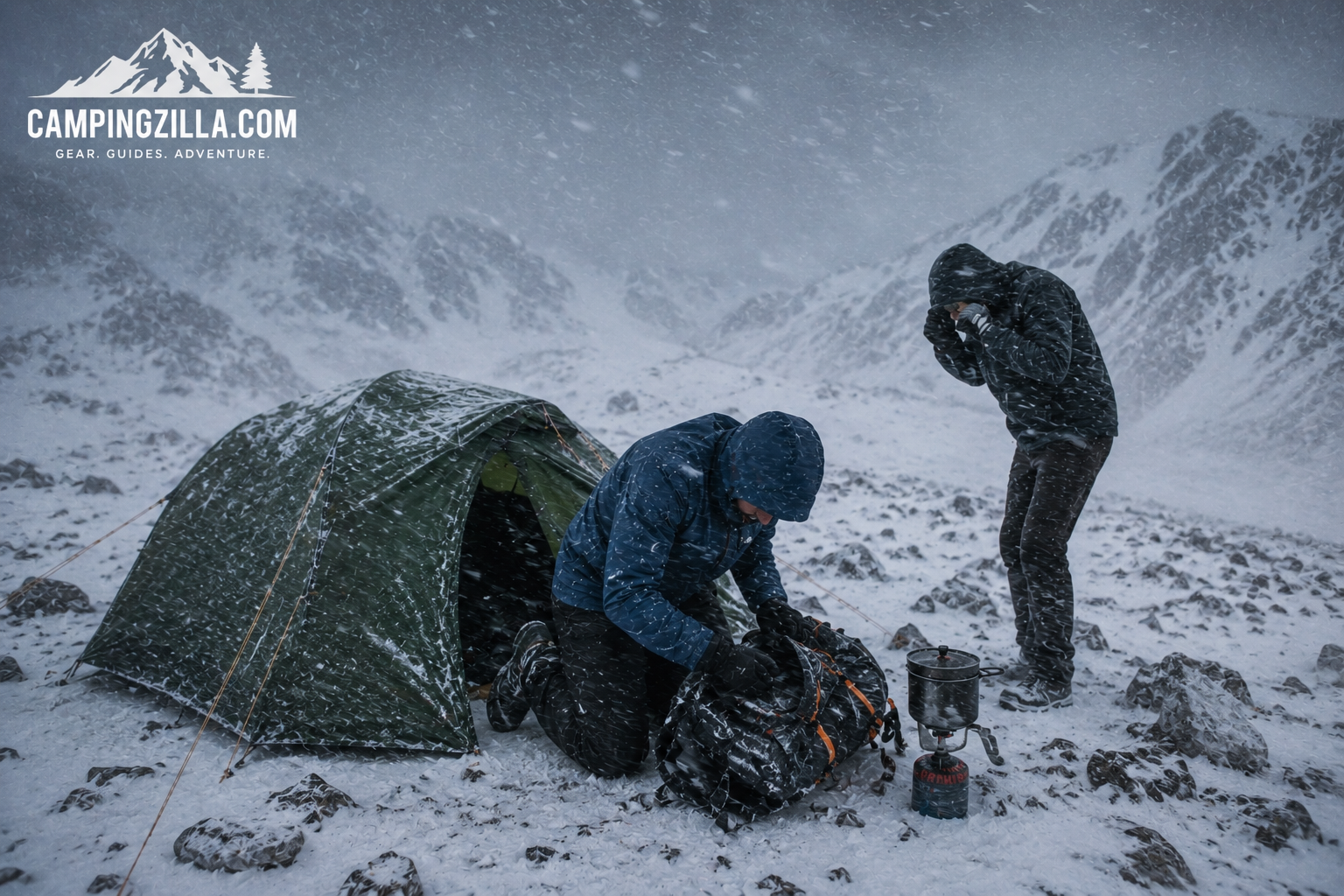
Shelter location also matters. A tent pitched in an exposed area may experience stronger winds and colder overnight conditions than a tent positioned behind natural windbreaks such as trees or terrain features.
Food and hydration contribute more than many people realise. Going to bed hungry can leave the body with less energy available for heat production. A warm evening meal and adequate hydration often improve comfort during the night.
Finally, organisation plays a role. Keeping essential items within reach prevents unnecessary exposure to cold air if you need to leave your sleeping bag during the night.
When these elements work together, staying warm becomes much easier.
Why Some Campers Sleep Cold Even With Expensive Gear
One of the most common frustrations among campers is investing in better equipment but still feeling cold at night.
In many situations, the equipment is not the problem.
A camper may own a highly rated sleeping bag but use an unsuitable sleeping pad. Another camper may wear damp clothing to bed. Others may pitch their tent in a location exposed to wind or fail to eat enough calories before sleeping.
The lesson is simple: a sleeping system is only as strong as its weakest component.
Rather than focusing on a single product, evaluate every part of your setup.
Ask yourself:
- Is my sleeping pad suitable for the conditions?
- Are my sleep clothes completely dry?
- Am I eating enough before bed?
- Is my campsite protected from wind?
- Is condensation affecting my shelter?
These questions often identify problems more effectively than immediately purchasing new equipment.
Building a Better Evening Routine
Many experienced campers follow a simple evening routine that helps maximise comfort.
After arriving at camp, they prioritise shelter setup before temperatures begin to fall. Once camp is established, damp layers are replaced with dry clothing.
Water bottles are filled before darkness arrives. Lighting is prepared and essential items are organised.
A hot meal is then prepared, providing both comfort and energy.
Before bed, sleeping equipment is checked, footwear is stored where it can be easily accessed, and weather conditions are reviewed.
This routine may sound simple, but it prevents many of the problems that commonly disrupt sleep during cold-weather camping.
The Morning Test
A reliable camping sleep system should not only keep you warm overnight. It should also allow you to wake feeling rested and ready for the day ahead.
If you regularly wake with cold feet, stiff muscles, damp clothing, or low energy levels, there may be weaknesses within your system that need attention.
Every camping trip provides an opportunity to refine your setup.
The goal is not perfection. The goal is to create a reliable system that consistently delivers comfort across a range of conditions. Make the biggest difference first.
The Hidden Factors That Affect Sleep Outdoors
Many campers spend hours researching sleeping bags and sleeping pads but overlook several factors that can have an equally large impact on sleep quality.
Temperature is only one part of the equation.
Noise, campsite location, moisture, stress, nutrition, and camp organisation all influence how well you sleep outdoors.
A poorly positioned tent can expose you to unnecessary wind throughout the night. A noisy campsite may result in frequent waking. Even something as simple as leaving essential equipment outside your tent can disrupt sleep if you need to retrieve it after dark.
Building a reliable camping sleep system means considering everything that happens before you actually go to sleep.
Why Moisture Is Often a Bigger Problem Than Cold
Many campers assume low temperatures are responsible for poor sleep. In reality, moisture often causes more problems.
Sweat accumulated during a hike, damp clothing, wet footwear, and condensation inside a tent can all affect warmth.
Once insulation becomes damp, it becomes less effective at trapping heat.
This is why experienced campers place so much emphasis on staying dry.
During colder conditions, many people unknowingly overdress while walking. This causes perspiration to build up inside clothing layers. Although they may feel warm during activity, the trapped moisture can become a problem later in the evening when activity levels decrease.
Managing moisture throughout the day is one of the most effective ways to improve overnight comfort.
Cold Night Camping Troubleshooting Table
| Problem | What Is Usually Causing It | How To Fix It |
|---|---|---|
| Cold back or hips | Insufficient insulation between your body and the ground | Upgrade to a higher R-value sleeping pad or add a foam pad underneath your existing setup |
| Cold feet during the night | Damp socks, poor circulation, or inadequate insulation | Change into completely dry sleeping socks and avoid tight layers that restrict blood flow |
| Waking up cold around 3–5am | Overnight temperature drop reaching its lowest point before sunrise | Use a sleeping bag rated below expected temperatures and eat a warm meal before bed |
| Sleeping bag feels cold despite its rating | Ground insulation is failing or clothing is damp | Focus on improving your sleeping pad and changing into dry sleep clothing |
| Condensation inside the tent | Poor airflow and inadequate ventilation | Open ventilation points and avoid sealing the tent completely |
| Constantly feeling chilled before bed | Not enough calories or fluids throughout the day | Eat a substantial evening meal and stay hydrated |
| Cold shoulders and upper body | Sleeping bag is too large or heat is escaping around the neck area | Tighten draft collars and use a sleeping bag that fits properly |
| Waking up damp | Moisture trapped inside clothing or shelter condensation | Improve ventilation and keep sleeping clothes separate from hiking clothes |
| Poor sleep quality despite being warm | Uneven ground, noise, or poor campsite selection | Choose flatter ground and pitch away from noisy or exposed areas |
| Struggling to warm up once inside the sleeping bag | Going to bed already cold | Have a hot drink, eat a snack, and warm up before getting into your sleeping bag |
| Hands becoming cold overnight | Exposed skin and reduced circulation while sleeping | Wear lightweight gloves or keep hands inside your sleeping bag |
| Repeatedly leaving the tent during the night | Poor organisation and inaccessible equipment | Keep water, lighting, and essential items within arm’s reach before sleeping |
| Feeling colder every night of a multi-day trip | Moisture slowly building up inside gear | Air out sleeping equipment whenever conditions allow |
| Tent feels significantly colder than expected | Campsite exposed to wind | Use natural windbreaks such as trees, hedges, or terrain features |
| General discomfort despite having good equipment | Multiple small weaknesses in the overall sleep system | Review your sleeping pad, clothing, shelter, nutrition, and campsite setup as a complete system |
Creating a Dedicated Sleep Environment
Many beginners treat their tent as little more than a place to sleep. Experienced campers often view it as a dedicated recovery space.
Small adjustments can improve comfort significantly.
Keep sleeping equipment organised and protected from moisture. Store essential items such as headlamps, water bottles, and spare layers within easy reach. Remove unnecessary clutter from the sleeping area.
These habits create a cleaner and more relaxing environment that promotes better rest.
The goal is to make your sleeping area feel organised and predictable.
The Importance of Evening Preparation
Good sleep often starts several hours before bedtime.
The evening period provides an opportunity to prepare for changing temperatures and organise equipment before darkness arrives.
Many experienced campers follow a routine that includes:
- Preparing warm food.
- Refilling water bottles.
- Changing into dry layers.
- Organising sleeping equipment.
- Checking weather conditions.
- Preparing lighting for overnight use.
These actions reduce stress and help create a smoother transition into the night.
Understanding Temperature Changes During the Night
One reason many campers wake feeling cold is that overnight temperatures rarely remain constant.
Conditions often continue to cool for several hours after sunset. The coldest part of the night is frequently just before sunrise.
A sleep system that feels warm at bedtime may feel different several hours later.
Preparing for these temperature changes helps prevent discomfort.
Choosing suitable insulation and maintaining dry clothing become increasingly important as temperatures continue to fall.
Why Organisation Improves Sleep Quality
Organisation is not usually associated with warmth, but it plays an important role in outdoor comfort.
Imagine waking during the night and needing to locate a headlamp, extra layer, or water bottle.
If equipment is scattered around camp or buried inside bags, frustration and unnecessary exposure to cold air become more likely.
A well-organised sleeping area reduces these problems.
Simple habits such as placing frequently used items in consistent locations can improve comfort significantly.
Learning From Every Camping Trip
Every camping trip provides useful information about your sleep system.
Pay attention to what worked well and what could be improved.
Did you wake feeling cold?
Was condensation a problem?
Did you struggle to find equipment during the night?
Did your sleeping pad provide enough comfort?
Answering these questions helps refine your setup over time.
The most comfortable campers are often those who continuously improve their systems rather than relying solely on new gear purchases.
Common Signs Your Sleep System Needs Improvement
A camping sleep system should help you wake feeling rested and ready for the day ahead.
Warning signs that improvements may be needed include:
- Frequently waking during the night.
- Cold feet or hands.
- Damp sleeping equipment.
- Condensation problems.
- Back or hip discomfort.
- Difficulty falling asleep.
Identifying the root cause allows you to make targeted improvements rather than replacing equipment unnecessarily.
Frequently Asked Questions
What is the most important part of a camping sleep system?
Many experienced campers consider ground insulation one of the most important components because cold ground continuously removes heat from the body.
Should I wear extra clothing inside my sleeping bag?
Dry layers can help improve comfort, but excessive clothing may reduce the effectiveness of insulation by restricting airflow.
Why do I wake up cold just before sunrise?
Temperatures often reach their lowest point shortly before sunrise, which is why many campers notice a drop in comfort during the early morning hours.
How can I improve sleep without buying new gear?
Focus on campsite selection, moisture management, organisation, nutrition, and evening routines before investing in new equipment.
Does tent size affect warmth?
Smaller shelters generally retain warmth more effectively than larger shelters, although ventilation remains important for managing condensation.
Final Thoughts
Building a reliable camping sleep system is about much more than choosing a sleeping bag.
Comfort comes from understanding how insulation, moisture management, organisation, nutrition, shelter placement, and personal habits work together.
The most successful campers treat sleep as a system rather than a single product.
By refining that system over time, you can enjoy more comfortable nights outdoors and wake ready to make the most of every camping trip.
You can compare better cold-weather sleeping pads here:
https://campingzilla.com/best-insulated-sleeping-pads-for-winter/
You can improve your camp lighting here:
https://campingzilla.com/best-rechargeable-headlamps-for-night-hikes/
https://campingzilla.com/best-solar-powered-camping-lanterns/
And if you want a stronger emergency backup system, you can review firestarter options here:
https://campingzilla.com/best-firestarter-kits-for-emergencies/
When your sleep system works properly, cold nights stop feeling like something to “get through” and start feeling like part of the experience.

