
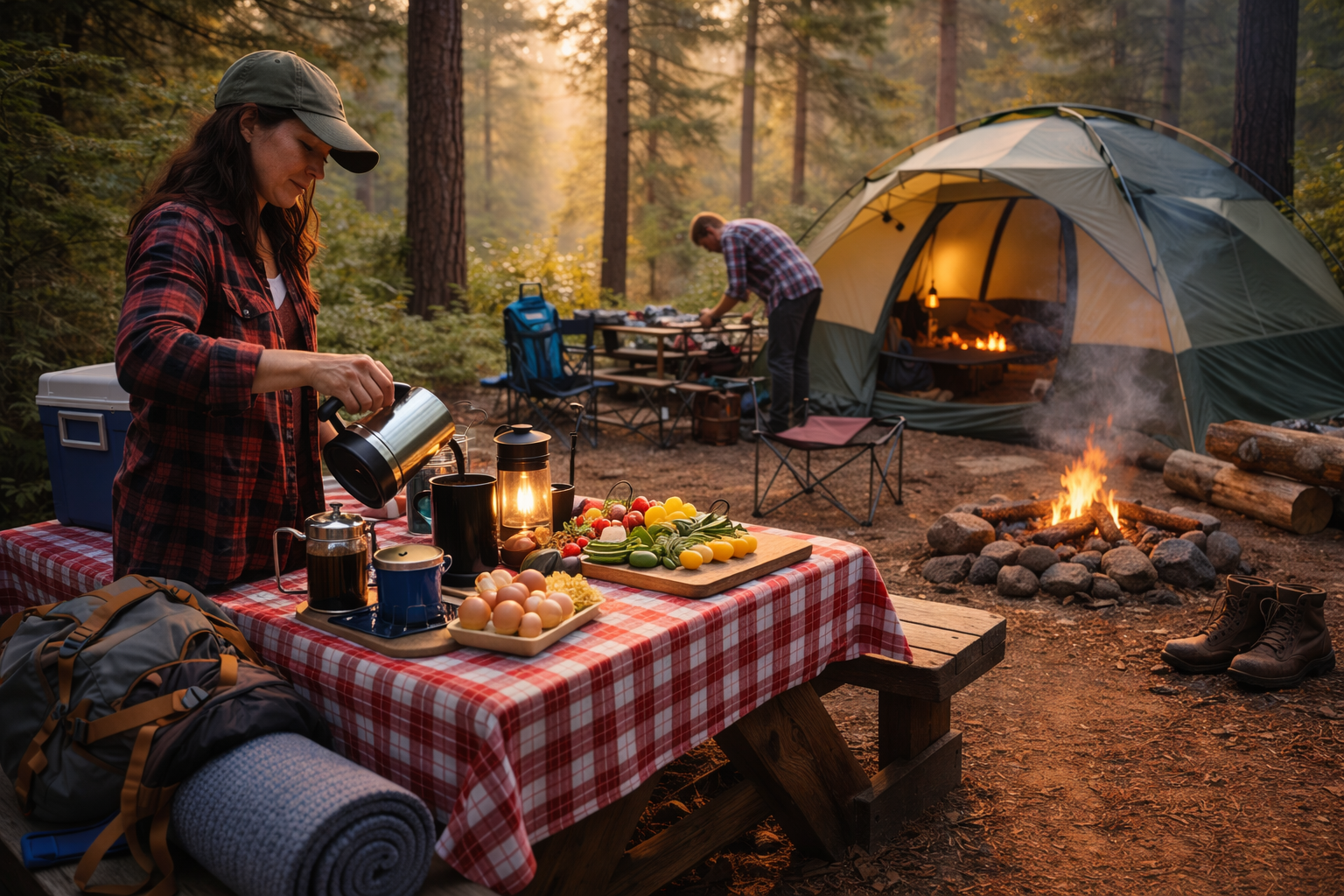
Practical Camping Advice That Makes Outdoor Trips Easier
Practical Camping Advice That Actually Makes a Difference
Camping looks simple on the surface. Pack a tent, grab some food, head outdoors. In reality, the quality of a camping trip is determined by dozens of small decisions made long before you arrive at the campsite. Most camping problems don’t come from bad luck — they come from overlooked details.
This guide focuses on practical, experience-driven advice that helps campers avoid common mistakes, stay comfortable, and enjoy the outdoors without unnecessary stress. Whether you’re planning your first overnight trip or refining your setup after years of camping, these tips are built around real-world use, not marketing promises.
Understanding Your Type of Camping Comes First
Before thinking about equipment or packing lists, it’s important to be honest about the type of camping you’re doing. Many people buy the wrong gear simply because they didn’t define their trip properly.
Ask yourself:
- Are you walking to the campsite or parking next to it?
- Will you be camping for one night or several?
- Are you sharing equipment with others?
- How exposed is the location to wind and rain?
A lightweight backpacking setup is very different from a relaxed car-camping arrangement. Trying to combine both often leads to discomfort, excess weight, or fragile equipment being pushed beyond its limits.
Campers who take a few minutes to match gear to their actual needs tend to enjoy trips far more than those who chase “all-in-one” solutions.
Why Shelter Quality Matters More Than Size
Many campers focus on how many people a tent claims to sleep, rather than how it performs in real conditions. A tent labelled for four people may technically fit four sleeping mats, but that doesn’t leave room for gear, movement, or comfort.
More importantly, shelter performance matters far more than internal space.
Key considerations include:
- Ventilation to reduce condensation
- Weather resistance rather than season labels
- Stable pole structure for wind
- Proper ground protection
Poor ventilation can turn even mild nights into damp, uncomfortable experiences. A well-designed tent with good airflow often feels warmer and drier than a larger one that traps moisture.
If you’re unsure which shelters work best for different conditions, this is where an in-depth camping tent and shelter guide can be helpful, especially one that compares real-world performance rather than manufacturer claims.
(Internal link opportunity to an affiliate tent guide)
Sleeping Comfort Is Not a Luxury
One of the biggest mistakes new campers make is assuming that poor sleep is just “part of camping.” While sleeping outdoors will always feel different, uncomfortable sleep usually comes down to the wrong setup.
The ground is the biggest enemy of rest. Cold, pressure points, and uneven surfaces all add up quickly.
A good sleeping system focuses on:
- Insulation from the ground
- Pressure distribution
- Temperature regulation
A quality sleeping mat often makes more difference than upgrading a sleeping bag. Many experienced campers would rather use a basic bag with a proper mat than the other way around.
Comfort directly affects mood, energy, and decision-making. Better sleep leads to better mornings, safer hiking, and more enjoyable evenings.
Weather Preparation Is About Planning, Not Panic
Checking the forecast is only the first step. Weather rarely behaves exactly as predicted, especially in rural or elevated areas.
Smart preparation means assuming conditions could change.
Simple habits that help:
- Packing one waterproof layer even on dry trips
- Keeping spare socks sealed in a dry bag
- Setting tents on slightly raised ground
- Avoiding valleys where cold air collects overnight
Rain isn’t usually what ruins trips — it’s unprepared rain. Campers who plan for poor weather often find they enjoy trips more, even when conditions turn.
Food Planning Reduces Stress at Camp
Food is one of the most underestimated parts of camping preparation. Without planning, meals become frustrating, wasteful, or inconvenient.
Good camping meals share a few traits:
- Minimal preparation
- Few ingredients
- Easy storage
- Flexible cooking options
Pre-planning meals also helps you pack the right cooking gear and fuel. Bringing too many cooking tools adds weight and clutter, while bringing too few limits options.
It’s also wise to include at least one meal that requires no cooking at all. Fatigue, weather, or time constraints can make cooking unappealing, and having a simple backup keeps morale high.
Camp Safety Is Mostly About Small Habits
Most camping injuries don’t come from dramatic accidents. They come from slips, burns, poor lighting, or fatigue.
Basic safety preparation includes:
- A head torch or lantern with spare batteries
- A small first-aid kit you actually know how to use
- A way to communicate or recharge devices
- Fire safety awareness
Carrying safety gear doesn’t mean expecting things to go wrong. It means being realistic about how quickly small issues can escalate outdoors.
If you’re unsure what equipment is genuinely useful rather than excessive, a well-structured camping safety essentials guide can help narrow things down without overpacking.
(Internal link opportunity to a safety gear affiliate page)
Comfort Around Camp Improves the Whole Experience
Camping isn’t just about sleeping — it’s about how you feel during downtime. Evenings and mornings are when discomfort becomes most noticeable.
Small comfort upgrades can make a significant difference:
- A proper camp chair instead of sitting on the ground
- A compact pillow rather than bundled clothing
- A lantern that provides soft, ambient light
These aren’t luxuries; they’re quality-of-life improvements that reduce fatigue and improve relaxation. Comfortable campers tend to stay longer, explore more, and enjoy trips rather than endure them.
Managing Gear Keeps Campsites Calm
Messy campsites create stress. Items get lost, stepped on, or damaged.
Simple organisation habits include:
- Using separate bags for sleeping, cooking, and clothing
- Keeping frequently used items in one accessible location
- Packing gear back into the same place each time
Organisation becomes even more important when camping with others. Shared spaces stay calmer when everyone knows where things belong.
Responsible Camping Protects Access for Everyone
Camping relies on shared responsibility. Poor behaviour leads to restrictions, closures, and damaged environments.
Responsible habits include:
- Taking all waste home
- Respecting quiet hours
- Using designated fire areas
- Keeping food secure from wildlife
These actions aren’t about rules — they’re about preserving the freedom to camp in the first place.
Experience Matters More Than Perfection
No camping trip is perfect. Gear fails, weather changes, and plans shift. Experienced campers aren’t those who avoid problems entirely — they’re the ones who adapt calmly when things don’t go as expected.
Each trip builds knowledge:
- What you actually used
- What stayed packed
- What could be improved next time
Over time, camping becomes simpler, lighter, and more enjoyable as setups become refined.
Final Thoughts
Camping doesn’t reward excess. It rewards preparation, awareness, and practical choices. The best camping trips aren’t defined by expensive equipment or ideal conditions — they’re defined by comfort, safety, and the ability to relax in nature.
If you’re looking to refine your setup or choose gear that fits how you actually camp, Campingzilla’s equipment and advice guides are built to help you make informed decisions based on real use, not marketing hype.
7 Best Ultralight Sleeping Bags for Summer in 2025: Top Picks for Warm Weather Camping – Camping Zilla
Practical Camping Advice That Makes Outdoor Trips Easier – Camping Zilla

